Michael Perry’s argument should be read as a warning, not a narrow utility dispute. Southeast New Mexico is not just another region asking for infrastructure; it is one of the state’s main revenue engines, and if New Mexico cannot reliably power that engine, the consequences will not stay in Lea or Eddy County. perplexity
That is why the SPS case matters. The PRC is considering SPS/Xcel’s request for approval of eight new generation and battery-storage projects, while Perry argues that industrial growth, electrification, and data-center demand are rising fast enough that current limits are already pushing some operators toward diesel backup. prc.nm
The contradiction
New Mexico now celebrates universal child care as a landmark public commitment, and multiple reports tie that fiscal confidence to trust funding and broader state wealth built during the oil-and-gas boom. At the same time, Dallas Fed reporting says New Mexico surpassed 2 million barrels of oil per day in 2024 and ranked second nationally behind Texas, underscoring how central the Permian has become to the state’s finances. dallasfed
That creates the contradiction voters should understand: Santa Fe is willing to spend Permian money, but too often treats Permian power needs like an embarrassment. If oil-and-gas revenue is good enough to help fund major statewide promises, then the grid serving the producing region cannot be treated like a political inconvenience. nmlegis
ETA and the PRC
The Energy Transition Act does not automatically block reliability projects, but it does impose increasingly strict renewable and clean-energy targets, including a 50 percent renewable standard by 2030 and steeper long-term requirements after that. That means proposals for dependable, dispatchable power face a narrower political and regulatory path than they would in a system focused first on reliability, cost, and speed. dws.state.nm
So the blunt question is fair: if New Mexico had strong oversight without the ETA’s transition mandates, would this fight be less severe? That cannot be proved with certainty, but the state is plainly trying to manage rising demand under a framework that makes power expansion more contested at the same time southeast New Mexico is asking for more capacity. governor.state.nm
Oil now, future later
New Mexico also should stop pretending that using oil now and planning for cleaner technology later are mutually exclusive ideas. The state’s own energy planning has included discussion of advanced nuclear and SMR pathways, and advocates have begun pushing advanced nuclear as part of New Mexico’s long-term energy strategy. WIPP is not a power plant, but New Mexico does have nuclear expertise, federal research infrastructure, and enough strategic reason to treat SMRs as a serious leadership discussion rather than a fringe talking point. emnrd.nm
That is the adult position: use our oil responsibly while it pays the bills, and build a serious clean-firm future instead of pretending intermittent resources alone will meet every growth curve. Between now and then, southeast New Mexico still needs reliable power. fiscalpolicy
The question
So Perry’s argument, stated plainly, is this: New Mexico cannot fund big promises with oil-and-gas wealth, rank near the top of the country in crude production, and then make it harder to build reliable power in the region generating that money. If the PRC keeps treating this mainly as a climate exercise instead of a statewide economic question, New Mexico risks weakening the very engine that supports much of its spending model. fortune
And New Mexicans should ask one more thing: why is this not breaking through more forcefully in mainstream state media? If this is a real fiscal, reliability, and growth contradiction, the public deserves to hear it plainly—and voters may want to reconsider which party is leading decisions on the state’s energy future. To achieve operational excellence, true leaders learn how to leverage their resources, not hide from them.
 Michael Perry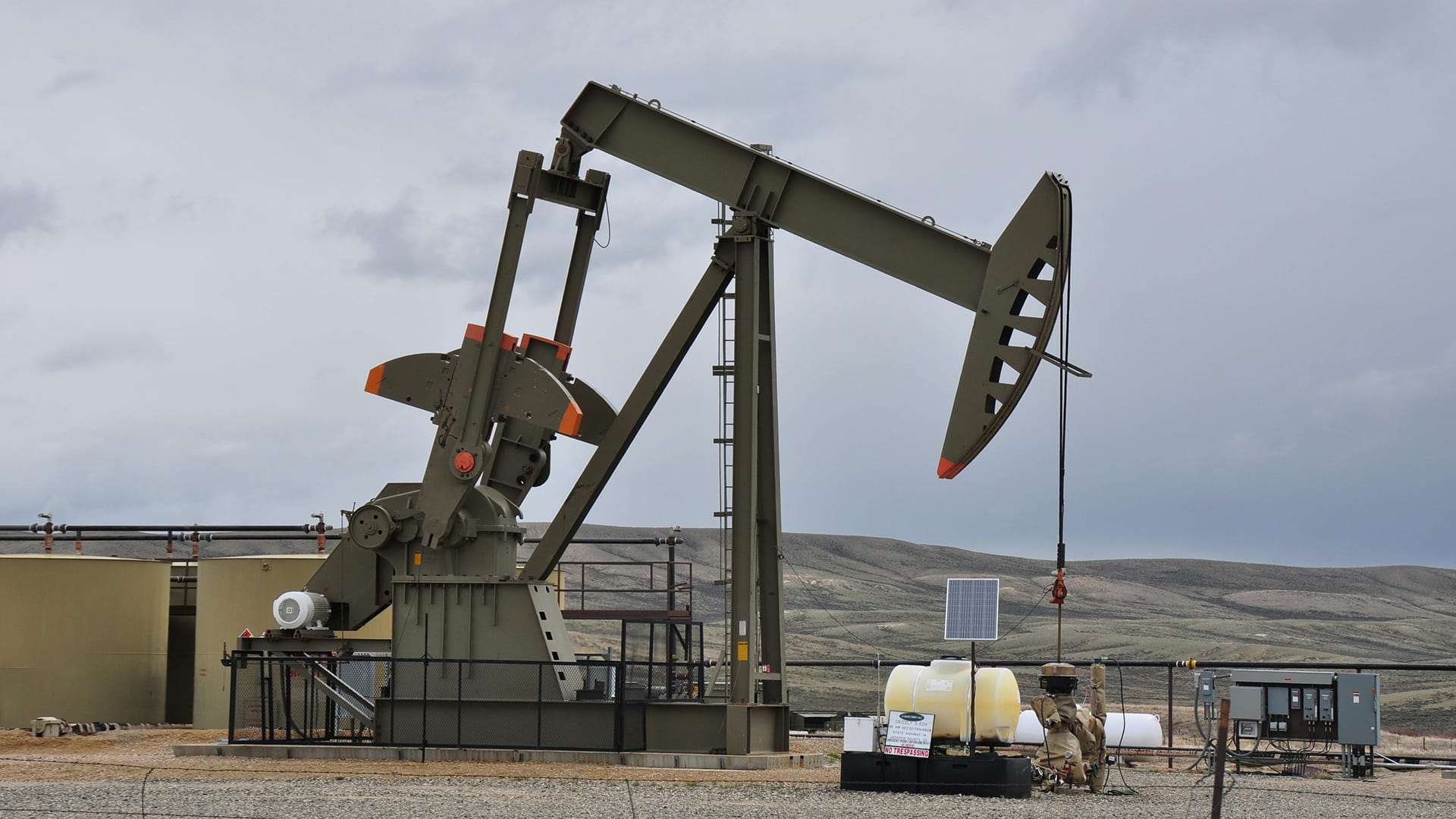
See original article here