

What New Mexico parents need to know before kids log in
Roblox looks harmless from a distance. Bright colors, endless mini-games, kid-friendly branding, and a promise of creativity make it feel like the kind of place where children can build, play, and explore safely. But New Mexico parents should understand something important: a platform built for children can still contain serious risks, and those risks do not stay in California, New York, or anywhere else they first make headlines. They reach homes in Albuquerque, Las Cruces, Roswell, Farmington, Santa Fe, Gallup, Clovis, and every small town in between.
That is why this matters here.
New Mexico families do not need panic. They need awareness. They need plain language. They need a practical guide to what Roblox is, what can go wrong, and what parents can do now to reduce the danger.
Why Roblox deserves attention
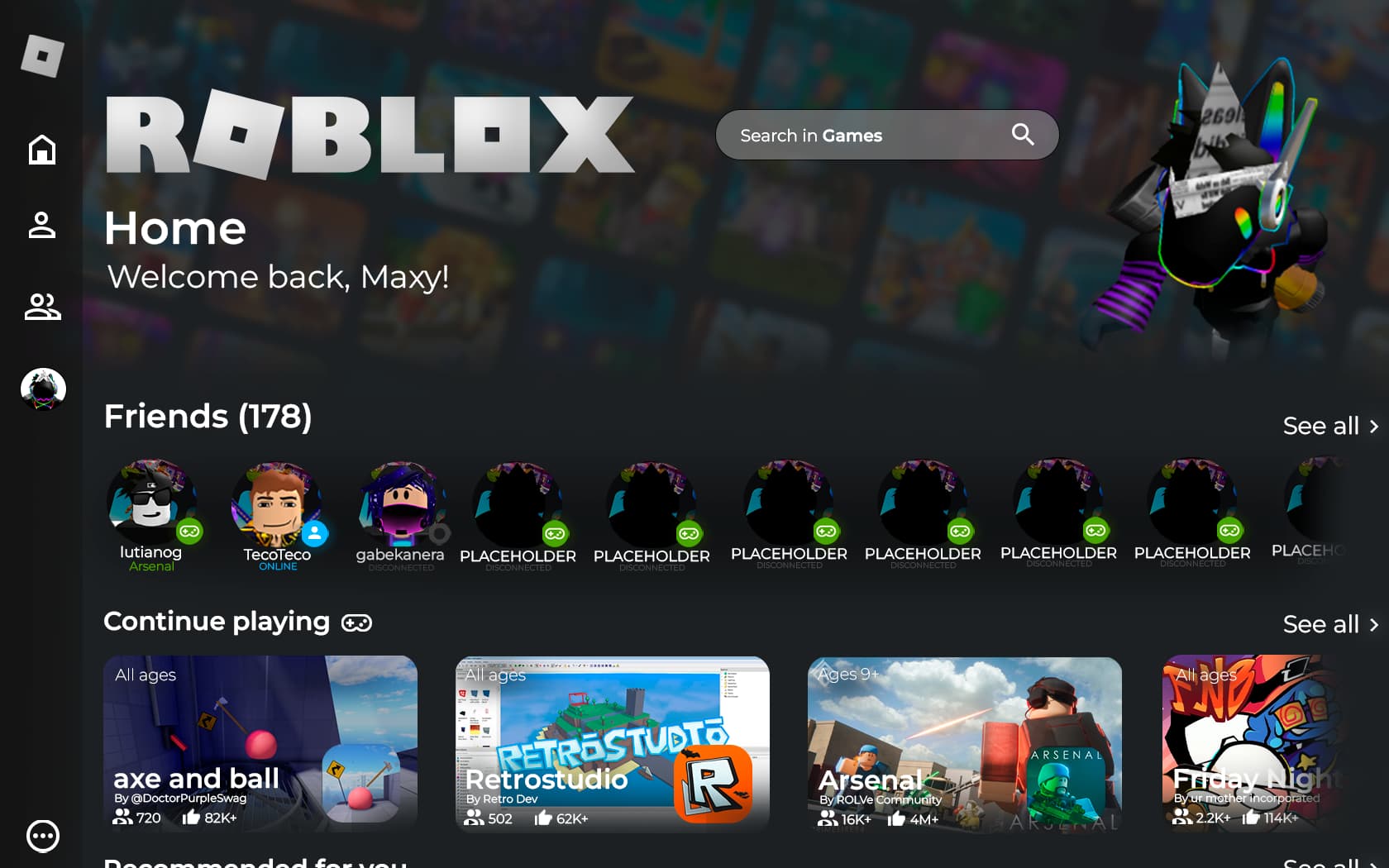
Roblox is not just one game. It is a platform where users can create and play experiences, chat, trade, spend, and move between different worlds. That flexibility is part of why kids love it. It is also part of why safety becomes complicated.
The main issue is not that every child will have a bad experience. The issue is that the platform creates many contact points where bad actors can try to exploit children, manipulate them, isolate them, or move conversations into less supervised spaces. Parents should also know that children can be exposed to inappropriate content, scams, unwanted contact, and pressure to spend money inside the platform.
For New Mexico families, this is especially relevant because digital access is now part of daily life in both urban and rural communities. The risk is not limited to large metro areas. A child in Deming or Española is just as reachable as a child in any major city if the account settings are weak and supervision is absent.
The real risks parents should understand
The first risk is contact risk. If a child can talk freely with strangers, the platform becomes a social environment, not just a game. That creates opportunities for grooming, manipulation, and off-platform contact attempts.
The second risk is content risk. Parents often assume a child platform means child-safe content. That is not always true. User-generated platforms can host experiences that are inappropriate, disturbing, or simply not age-appropriate.
The third risk is financial risk. Roblox is built around in-platform purchases, upgrades, rewards, and social pressure. Children may not understand how quickly spending can happen.
The fourth risk is behavioral risk. As with any immersive platform, the more a child is absorbed, the harder it can be to disengage. That can affect sleep, school performance, mood, and family routines.
The fifth risk is migration risk. A conversation may begin inside Roblox and then move to another app, another platform, or another method of communication where parents no longer have visibility.
That last point is critical. The danger is often not the game alone. It is the path out of the game.
What New Mexico parents should do
This is where El Guía gets practical.
Parents should not rely on hope or general trust. They should configure the account deliberately and review it regularly.
Start with these steps:
- Turn on the strongest available privacy and communication settings.
- Restrict who can chat with your child.
- Limit who can add them as a friend.
- Review the content maturity settings.
- Set spending limits or remove payment methods if possible.
- Make sure account access is tied to the parent, not just the child.
- Review play history and friends lists regularly.
- Keep the device in a common area, not behind a closed bedroom door.
- Talk openly with your child about why strangers should never be trusted online.
- Make it clear that moving conversations to other apps is not allowed without permission.
That is not overreacting. That is parenting in the digital age.
What to tell kids
Children do not need a lecture. They need rules they can remember.
A simple version is:
- Don’t trust strangers.
- Don’t share personal information.
- Don’t move chats to other apps.
- Don’t spend money without asking.
- Tell a parent if anything feels weird, secret, or uncomfortable.
If a child feels embarrassed to report something, the house needs a better culture around honesty, not less supervision.
Why this is a New Mexico issue
This is not just a national story. It is a family story. It is a New Mexico story.
Our state has a lot of households where parents are stretched thin, work schedules are demanding, and digital devices quietly become the easiest form of supervision. That makes kid-safe tech habits even more important. A platform like Roblox can be fine when adults are involved. It can become dangerous when adults assume the platform will police itself.
New Mexicans should also be aware that “safe because it is popular” is not a real safety standard. Popular platforms can still have serious problems. And when children spend hours in a social, user-generated environment, adults need to know what they are walking into.
El Guía’s closing word
This is not a call to ban every game or panic over every screen. It is a call to take the digital world seriously. Roblox may be fun. It may be creative. It may even be valuable when used wisely. But New Mexico parents should not confuse a kid-friendly label with kid-proof design.
The home team matters. That means looking out for our children with the same seriousness we bring to any other public safety issue. If the platform is going to live in our homes, then we have every right to understand the risks and every responsibility to manage them.
Awareness first. Settings second. Supervision always.
Endnotes
- BBC, “Parents should monitor children 24/7 on Roblox, says developer.”
- Internet Matters, “What is Roblox? Safety guide for parents.”
- ESRB, “What Parents Need To Know About Roblox.”
- Roblox Support, “Parental Controls FAQ.”
- Roblox Help, “Safety & Civility at Roblox.”
- eSafety Commissioner, “What is Roblox?”
- ParentsTogether Action, “Parent Advisory: Roblox puts kids in danger by exposing them to predators, sexual content and violence.”


